
Understanding the Odds
When entering a casino, many players may not fully grasp the odds presented in various games. Each game, from slots to table games like blackjack or roulette, has a specific house edge, which represents the casino’s advantage over the player. This edge means that over time, the casino is statistically likely to earn more money from players than those players win, creating an inherent cost that is often overlooked. For example, a slot machine with a 5% house edge means that, on average, you can expect to lose 5 cents for every dollar wagered. Popular options like payid casino provide valuable insights into these odds, making understanding them crucial for players who want to maximize their enjoyment while minimizing their losses.
Moreover, the perception of winning can blind players to these odds. Many may experience small wins, which can lead to a false sense of security and increased betting. This can turn into a cycle where players chase losses, not realizing that the games are designed to favor the establishment. The thrill of a jackpot can overshadow the reality that the more you play, the greater the probability of losing over time. Knowing the odds of each game can help players make more informed decisions and ultimately manage their bankroll better.
It is thus crucial to approach casino games with a clear mindset regarding the odds associated with each game. Knowledge is power, and recognizing that while entertainment can be derived from playing, the underlying mathematics suggest a long-term cost can prevent significant financial loss. Always remember, winning is possible in the short term, but statistically, the longer you play, the more likely you are to lose. Players should always be vigilant and aware of the inherent risks associated with gambling.
The Cost of Time
Time is often a hidden cost that players neglect while at casinos. Many individuals lose track of time when immersed in the engaging environment filled with bright lights and exciting sounds. Hour after hour can pass, and before players know it, they have spent not just their money but much of their day or night as well. This can lead to potentially harmful consequences in other areas of their lives, such as work, relationships, and health. The casino atmosphere is designed to keep players entertained and engaged, making it easy to lose track of the clock.
The longer players remain at the casino, the more likely they are to spend additional money. Extended periods of play can lead to increased bets as players seek to recoup losses or enhance their winnings. Additionally, when people are at a casino, they may be tempted to indulge in food and beverage offerings, which can significantly add to the overall expense of their visit. A simple meal or several drinks can rapidly transform from a casual expenditure into a substantial tally, further straining their budgets without them realizing it.

Moreover, the allure of complimentary drinks may encourage players to stay longer. While enjoying free beverages sounds appealing, these can impair judgment and decision-making as the hours roll on, leading to rash gambling decisions. Therefore, being aware of the time spent in a casino is vital. Implementing personal time limits can safeguard against overspending and help maintain a balanced lifestyle outside of gambling. Setting reminders or alarms can be a practical strategy for players wanting to enjoy their experience without losing control over their time and finances.
Membership and Loyalty Programs
Many casinos offer loyalty programs aimed at rewarding frequent players, but these programs can mask significant hidden costs. While they often advertise enticing offers such as free play, meals, or accommodations, it is essential to understand the commitment that comes with these benefits. Players might feel pressured to gamble more than they intended to achieve loyalty status, leading to increased overall spending. The promise of rewards can create a false sense of saving when, in reality, players may be investing more money to access these perceived benefits.
Furthermore, casinos typically provide tiered reward levels. To reach higher tiers, players may find themselves gambling more frequently and at higher stakes, ultimately increasing their financial risk. The allure of rewards can lead to poor decision-making where players justify losses in hopes of unlocking better promotions, turning potential perks into additional costs rather than savings. Players must evaluate their own gambling habits and recognize when loyalty programs become a trap rather than an advantage.
It is important to approach loyalty programs with caution. Players should evaluate their gambling habits and recognize that while perks can be enticing, they often come with conditions that may encourage irresponsible spending. Keeping track of one’s betting activity in relation to these programs will help distinguish between genuine value and the hidden costs embedded within seemingly beneficial offers. Awareness and self-control are paramount in navigating the complexities of casino loyalty initiatives.
Emotional and Mental Costs
Beyond the financial implications, gambling at casinos can incur emotional and mental costs that are often overlooked. The excitement of playing can lead to a rush of adrenaline, creating an emotional rollercoaster for many. While this can initially feel exhilarating, the highs and lows associated with gambling can become mentally exhausting and can lead to stress and anxiety. Players may find themselves experiencing significant emotional swings, which can take a toll not only on their mental health but also on their personal relationships.
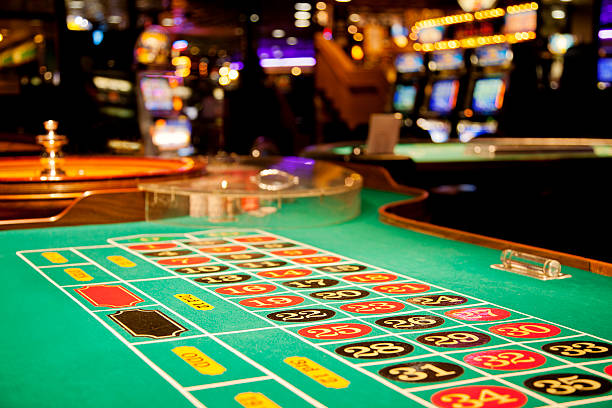
Moreover, gambling can foster dependency and addictive behaviors for some individuals, resulting in significant mental distress and potential family issues. The desire to win or to recoup losses can lead to compulsive gambling, where players may find themselves engaging in risky behaviors simply to satisfy that urge, often leading to destructive patterns in their lives. Recognizing the emotional strain that gambling can impose is crucial for maintaining mental health and well-being.
Developing mindful gambling practices, such as setting limits on both time and money spent, can help alleviate some of the emotional burden. Support networks and mental health resources are also essential for anyone who notices gambling affecting their emotional state or personal relationships. Players should not hesitate to seek help if they feel overwhelmed by their gambling habits, as addressing these issues can lead to more sustainable and enjoyable gaming experiences.
More Than Just Gambling: Understanding the Overall Casino Experience
When discussing casinos, it is essential to recognize that the experience extends beyond the games themselves. The atmosphere, entertainment, dining, and shopping options in a casino often come at a price. While these offerings can enhance the overall experience, they can also contribute to a player’s expenses, adding to the hidden costs of a casino visit. Many casinos pride themselves on creating a luxurious environment with high-end restaurants and bars, concerts, and events, all of which can entice visitors to spend beyond their original budget.
While it may be enjoyable to indulge in these experiences, it is imperative to factor these costs into overall spending. Simply visiting a casino can lead to unplanned expenses that dwarf the amount budgeted for gambling alone. Players might enter with a set limit for gambling but find themselves spending significantly more on dining or entertainment, which can lead to feelings of regret or frustration. Understanding the complete casino experience will help players make more informed choices.
It is wise to set a budget that encompasses not just gambling funds but also entertainment and dining expenses. Approaching a casino visit with a firm grasp of all the potential costs involved will enhance enjoyment while minimizing surprise financial repercussions. Players should consider creating a detailed budget before arriving, accounting for all aspects of their visit, to ensure a more enjoyable and financially responsible experience.